


Introduction
Imagine walking along a quiet stretch of Florida coastline and looking down to find the sand glittering with frosted jewels of amber, green, cobalt blue, and milky white. These are not gemstones — they are sea glass, nature’s own transformation of discarded glass into smooth, colorful ocean treasures. For beachcombers, collectors, and curious travelers, finding a sea glass beach is one of the most rewarding experiences coastal tourism has to offer.
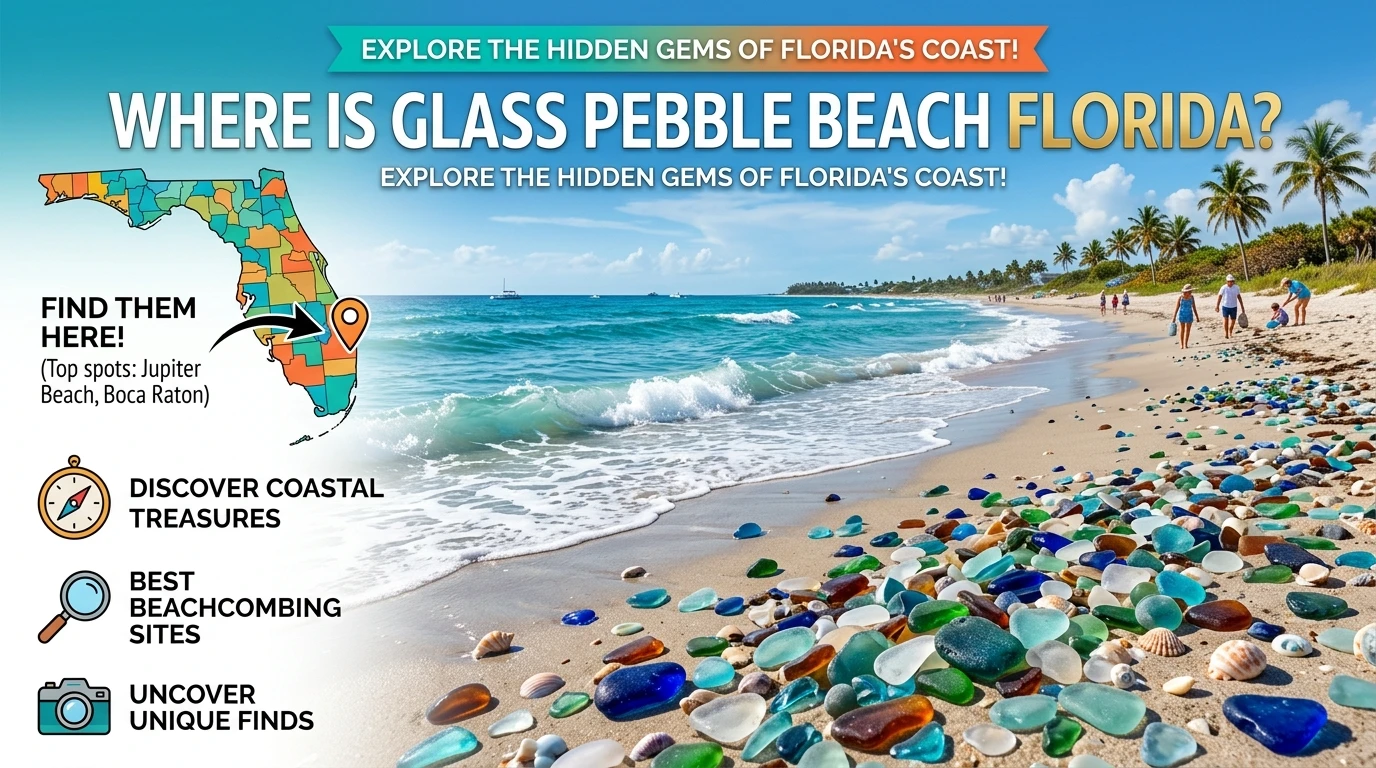
If you have been searching for where is glass pebble beach Florida, you are already on the right path to discovering some of the most unique and underrated coastal attractions in the American Southeast. Florida’s long and varied coastline, stretching across both the Atlantic and Gulf sides, contains several locations where sea glass enthusiasts have uncovered beautiful finds over the years.
In this complete guide, you will learn exactly where glass pebble beach Florida locations are found, how sea glass forms, what makes these beaches special, and everything you need to know to plan a memorable and responsible visit. Whether you are a seasoned beachcomber or a first-time coastal explorer, this guide has everything you need.
Where Is Glass Pebble Beach Florida Located?
Understanding the Concept of Glass Pebble Beach
Unlike the world-famous Glass Beach in Fort Bragg, California — which is a single, well-known and officially recognized location — glass pebble beach Florida does not refer to one singular, formally named beach. Instead, it describes a collection of coastal spots scattered throughout Florida where sea glass and smooth glass pebbles accumulate naturally along the shoreline.
These locations have developed over decades, often near areas with historical activity such as old dump sites, former industrial zones, fishing communities, and areas with heavy maritime traffic. As glass was discarded into or near the ocean over the years, the relentless action of waves, sand, and saltwater gradually transformed sharp fragments into the smooth, frosted pebbles that collectors prize today.
Key Florida Locations Known for Sea Glass
Several areas along Florida’s coastline have developed reputations among the sea glass and beachcombing community as productive hunting grounds:
Pensacola and the Florida Panhandle The western Florida Panhandle, particularly around Pensacola and its surrounding barrier islands, is one of the most productive regions for sea glass hunters in the state. The area’s long history of maritime activity, combined with its clear Gulf of Mexico waters and sandy shorelines, has created ideal conditions for sea glass accumulation over many generations.
St. Augustine Area Beaches Florida’s oldest city sits along the Atlantic coast, and the beaches surrounding St. Augustine have long been known among collectors for their variety of beach glass finds. The area’s deep historical roots and centuries of coastal habitation have contributed to a rich supply of older, well-tumbled sea glass pieces.
Treasure Coast Region The stretch of Florida’s Atlantic coastline known as the Treasure Coast — covering areas around Stuart, Fort Pierce, and Vero Beach — earned its name partly from centuries of shipwrecks and maritime history. This history translates into interesting beachcombing opportunities, including sea glass finds that sometimes date back generations.
Tampa Bay Area Shores Certain shorelines around Tampa Bay and its surrounding coastal communities also yield sea glass finds, particularly in less developed or historically active areas where glass debris has had time to be naturally processed by tidal action.
Florida Keys The Florida Keys offer a unique beachcombing environment thanks to their location at the southern tip of the Florida peninsula. While sandy beaches in the Keys tend to be smaller and more coral-rich than mainland Florida beaches, dedicated collectors have found sea glass in various spots throughout the island chain.
What Makes Glass Pebble Beaches Unique?
Nature’s Transformation Process
What sets glass pebble beaches apart from ordinary sandy beaches is the remarkable natural transformation that sea glass represents. A piece of sea glass begins its journey as an ordinary glass object — a bottle, a jar, a window pane, or a piece of tableware. Through breakage, disposal, or accident, it enters the ocean environment.
Once in the water, the glass fragment is subject to constant physical and chemical forces. Wave action tumbles it against rocks, sand, and other debris. Saltwater gradually etches and frosted the surface. Over years and sometimes decades, what was once a sharp, dangerous fragment becomes a smooth, rounded, and beautifully frosted pebble — completely safe to handle and visually striking.
The Rarity of Colored Sea Glass
Part of what makes sea glass collecting so compelling is the variation in color rarity. The most common colors — brown, white, and green — come from the most widely produced glass items historically: beer bottles, medicine bottles, and food jars. More unusual colors like cobalt blue, red, orange, and turquoise are significantly rarer and far more exciting to find.
- Brown: Very common — from beer and medicine bottles
- White or clear: Very common — from food and household glass
- Green: Common — from wine and beverage bottles
- Aqua or seafoam: Moderately common — from older soda bottles
- Cobalt blue: Rare — from certain medicine and cosmetic bottles
- Red or orange: Very rare — from vintage glass items
- Yellow or turquoise: Extremely rare — highly prized by collectors
History of Sea Glass and Coastal Glass Formation
How Sea Glass Has Been Created Over Centuries
The history of sea glass is intertwined with the history of human coastal habitation and ocean commerce. For centuries, coastal communities around the world used the ocean as a convenient disposal site for waste, including glass objects. Ships crossing the ocean discarded garbage overboard as a standard practice. Coastal dumps located near shorelines allowed waste to wash into the sea over time.
This long history of glass entering the marine environment is precisely what created the rich sea glass deposits that modern collectors enjoy. The older the area’s maritime history, the older and more worn the sea glass tends to be — and older glass, which was made using slightly different chemical compositions than modern glass, often tumbles into more distinctively textured and colored pieces.
Natural Glass Formation vs. Manufactured Glass
It is worth noting that while sea glass is the most commonly sought glass pebble at coastal beaches, some natural glass formations also exist. Volcanic glass such as obsidian, for instance, can appear on certain beaches as naturally formed glass pebbles. However, when people search for glass pebble beach Florida experiences, they are almost always referring to the man-made-origin sea glass that has been naturally processed by the ocean environment.
Difference Between Glass Beach California and Florida Sea Glass Beaches
Fort Bragg Glass Beach: The Gold Standard
When most people hear the term “glass beach,” their minds immediately go to the famous Glass Beach in Fort Bragg, California. This Northern California beach became famous because the area was used as a community dump from the early 1900s until 1967, during which time enormous quantities of glass, pottery, and metal were discarded directly into the ocean.
After decades of wave action, the result was a beach literally carpeted with colorful, smooth sea glass and ceramic pieces in extraordinary density. Fort Bragg Glass Beach is now part of MacKerricher State Park and is one of the most visited beach tourism destinations on the California coast.
| Feature | Fort Bragg Glass Beach, CA | Florida Sea Glass Beaches |
|---|---|---|
| Official designation | Yes, state park | No, informal locations |
| Glass density | Very high | Moderate to low |
| Collection rules | No collecting allowed | Varies by location |
| Accessibility | Easy, well-marked | Requires research |
| Best known for | Historic glass carpet | Hunting and discovery |
| Tourism infrastructure | Strong | Developing |
What Florida Offers That California Does Not
While Florida cannot match Fort Bragg’s sheer density of sea glass, it offers something equally valuable to the dedicated collector: the thrill of discovery. Because Florida sea glass beaches are less formally recognized and less heavily visited than Glass Beach California, the experience of hunting for sea glass along Florida’s coastline feels more like genuine exploration.
Florida’s diverse coastal geography also means that sea glass discoveries in the state can come in a wider variety of settings — from the white-sand Gulf Coast beaches with their crystal-clear waters to the wilder, more rugged Atlantic shorelines where conditions tend to be rougher and glass-tumbling more active.
Best Time to Visit Glass Pebble Beach Florida
Seasonal Considerations for Sea Glass Hunting
The timing of your visit can significantly affect the quality of your glass pebble beach Florida experience. Several seasonal and environmental factors influence when sea glass is most likely to be found in abundance:
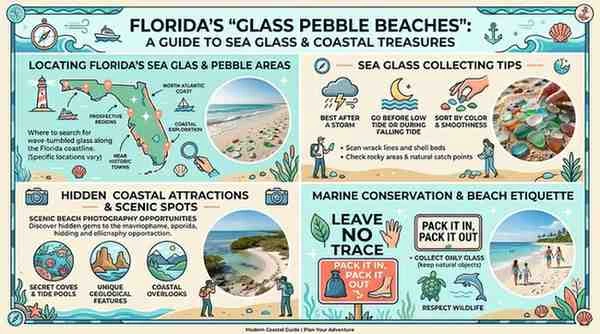
Winter Months (December to February) Winter is often considered the best time for beachcombing along Florida’s coastline. Cooler temperatures mean fewer tourists, which translates to less competition for finds. Winter storms also churn up the ocean floor and deposit fresh material on beaches, increasing the likelihood of new sea glass appearing.
After Storms Regardless of season, the period immediately following a significant storm or strong weather event is prime time for sea glass hunting. Storm surge and elevated wave action bring material from the ocean floor to the surface and deposit it along the tide line. Dedicated collectors often plan beach visits specifically after storms for this reason.
Early Morning Arriving at the beach early in the morning — ideally at low tide — maximizes your opportunity to find sea glass before other beachcombers. Low tide exposes more of the shoreline, revealing areas that are normally underwater and potentially covered with fresh deposits of beach glass and other treasures.
Spring and Fall The shoulder seasons of spring and fall offer a pleasant balance of comfortable weather, manageable tourist crowds, and reasonably active wave conditions. These months represent solid alternatives for visitors who cannot make it during the winter peak season.
Sea Glass Collecting Tips for Beginners
How to Start Your Sea Glass Hunting Journey
Sea glass collecting is one of the most accessible forms of beachcombing — it requires no special equipment, no permits in most locations, and no prior experience. However, a few simple strategies can significantly improve your results:
- Research your location in advance by reading beachcombing forums, collector communities, and travel blogs that discuss sea glass finds in specific areas
- Visit at low tide to expose the maximum amount of shoreline for searching
- Walk slowly and look carefully — sea glass blends into the surrounding sand and pebbles and is easy to miss if you rush
- Look for the frosted, matte texture that distinguishes sea glass from ordinary litter glass, which tends to be shiny and sharp
- Focus on tide line areas where wave action deposits the highest concentration of ocean-floor material
- Bring a small mesh bag or container for collecting your finds
- Wear polarized sunglasses to reduce glare and make spotting glass easier against wet sand
- Check behind and under larger rocks where glass pebbles often get trapped during wave action
What to Do With Your Sea Glass Collection
Once you have gathered sea glass from a glass pebble beach Florida location, the possibilities for using your collection are wide-ranging. Many collectors simply display their finds in glass jars or bowls as natural home decor. Others use sea glass in jewelry making, creating beautiful rings, necklaces, and earrings. Some collectors sort their glass by color and store it in labeled containers, building a comprehensive archive of finds from different beaches and regions.
Beachcombing Rules and Environmental Awareness
Respecting the Coastal Environment
Before collecting sea glass or any other material from a Florida beach, it is essential to understand the rules and regulations that apply to that specific location. Beach collecting rules vary significantly depending on whether a beach is privately owned, publicly managed, or located within a state or national park.
Key guidelines for responsible beachcombing include:
- Always check local regulations before collecting anything from a beach
- Never collect from designated protected areas including national seashores and state parks where collection may be prohibited
- Take only sea glass and leave all natural shells, rocks, and marine organisms undisturbed
- Pack out all your own waste and consider picking up any litter you find during your visit
- Avoid disturbing nesting areas particularly during sea turtle nesting season along Florida’s Atlantic coast (May through October)
- Stay on designated access paths to minimize erosion and habitat disruption
The Ethics of Sea Glass Collecting
The sea glass collecting community takes environmental ethics seriously. Responsible collectors understand that the beaches they love depend on healthy ecosystems and responsible visitor behavior to remain beautiful and productive. Overcollecting, habitat disruption, and disrespect for regulations are all behaviors that can damage both the natural environment and the long-term viability of sea glass beaches as visitor destinations.
Photography and Scenic Attractions
Capturing the Beauty of Sea Glass Beaches
Glass pebble beaches offer extraordinary photography opportunities that go well beyond simple snapshots of pretty glass. The combination of colorful sea glass, natural textures, coastal light, and ocean scenery creates conditions that are ideal for nature photography, travel photography, and even abstract artistic compositions.
Best Photography Tips for Glass Pebble Beach Florida Visits:
- Shoot during golden hour — the hour after sunrise and before sunset — when soft, warm light makes colors glow beautifully
- Use a macro lens or macro mode on your phone camera to capture the intricate texture and frosted surface of individual sea glass pieces
- Look for naturally occurring color arrangements and compositions in the glass scattered across the sand
- Include the ocean background in wide shots to provide coastal context for your images
- Wet sea glass reflects color more vividly than dry glass — photograph fresh tide line deposits for the most vibrant colors
Family-Friendly Activities Near Sea Glass Beaches
Making the Most of Your Coastal Family Visit
Sea glass hunting is naturally appealing to children, who tend to be enthusiastic treasure hunters by nature. The activity combines outdoor exercise, nature observation, and the excitement of finding something beautiful and unexpected — making it an ideal family-friendly beach activity.
Beyond sea glass collecting itself, Florida’s coastal regions offer a wealth of family-friendly attractions that pair well with a glass pebble beach visit:
- Nature walks and wildlife observation along coastal nature trails
- Kayaking and paddleboarding in calm inshore waters
- Snorkeling in clear Gulf or Atlantic waters
- Dolphin watching tours available in many Florida coastal communities
- State and national parks offering ranger-led programs and educational activities
- Historical sites particularly near St. Augustine and other historically rich coastal communities
- Fresh seafood restaurants serving locally caught fish and shellfish
Nearby Coastal Attractions and Travel Tips
Planning Your Florida Coastal Itinerary
Florida’s coastline is one of the most diverse and rewarding in North America. When planning a trip centered around glass pebble beach Florida exploration, consider combining your sea glass hunting with visits to some of the region’s most notable coastal destinations:
Pensacola Area: Combine sea glass hunting with a visit to Fort Pickens, a historic Civil War-era fort located on a barrier island with stunning Gulf views. The National Naval Aviation Museum in Pensacola is also one of the finest aviation museums in the world.
St. Augustine: The oldest continuously occupied city in the United States offers incredible historical attractions including the Castillo de San Marcos fort, the historic downtown district, and beautiful Atlantic beaches.
Canaveral National Seashore: This protected stretch of natural Atlantic coastline near Cape Canaveral offers excellent beachcombing opportunities in a pristine, uncrowded setting.
Florida Keys: A road trip down the Overseas Highway to the Florida Keys combines some of the most scenic coastal driving in America with excellent snorkeling, fishing, and beachcombing opportunities.
Eco Tourism and Marine Conservation
Why Sustainable Coastal Tourism Matters
The growing popularity of sea glass beaches and coastal attractions like glass pebble beach Florida is part of a broader trend toward eco tourism — a form of travel that prioritizes environmental sustainability, minimal ecological impact, and educational engagement with natural environments.
Sustainable coastal tourism benefits both travelers and the ecosystems they visit. When visitors approach beaches with respect, follow collection regulations, minimize their environmental footprint, and support local conservation initiatives, they help ensure that these beautiful natural environments remain healthy and accessible for future generations.
Florida’s coastal ecosystems are particularly fragile and valuable. The state’s beaches support nesting sea turtles, shorebirds, and diverse marine life. Seagrass beds and coral reefs offshore provide critical habitat for countless species. Responsible tourist behavior is essential to protecting these systems.
Supporting Marine Conservation Organizations
Travelers who love sea glass beaches can actively support the health of the coastal environments they enjoy by donating to or volunteering with marine conservation organizations, participating in beach clean-up events, and choosing tourism operators who demonstrate strong environmental practices.
Hidden Sea Glass Beaches in the United States
Beyond Fort Bragg: America’s Best Kept Coastal Secrets
While Fort Bragg Glass Beach in California remains the most famous sea glass destination in the United States, dedicated collectors know that extraordinary sea glass can be found at numerous less-publicized locations across the country. Some of the best hidden sea glass beaches in America include:
- Glass Beach, Hanapepe Bay, Kauai, Hawaii — a remote and beautiful sea glass beach on Hawaii’s Garden Island
- Seaham Beach, Lake Erie, Ohio — one of the Great Lakes’ finest sea glass locations
- Spectacle Island, Boston Harbor, Massachusetts — a former landfill island turned public park with exceptional sea glass deposits
- Davenport Beach, California — another Northern California location with productive sea glass hunting
- Puerto Rico’s northwestern coast — several beaches along this stretch yield colorful sea glass finds
Safety Tips for Beach Exploration
Staying Safe While Beachcombing in Florida
Beach exploration is a low-risk activity, but several safety considerations are worth keeping in mind for a safe and enjoyable visit to any glass pebble beach Florida location:
- Check the weather forecast before heading to the beach, particularly during Florida’s active thunderstorm season (June through September)
- Apply and reapply sunscreen generously — Florida’s sun is intense year-round
- Stay hydrated by bringing plenty of fresh water, especially during warmer months
- Wear appropriate footwear — water shoes or sandals protect your feet on rocky or glass-scattered shorelines
- Be aware of rip currents and know how to swim parallel to shore to escape one if caught
- Keep children within sight at all times near the water
- Watch for jellyfish and other marine life along the tide line
- Tell someone your plans including where you are going and when you expect to return
FAQ Section
Where is Glass Pebble Beach Florida? Glass Pebble Beach Florida does not refer to a single officially named beach but describes various Florida coastal locations where sea glass and smooth glass pebbles can be found. Key areas include the Florida Panhandle near Pensacola, the beaches around St. Augustine, the Treasure Coast, Tampa Bay shorelines, and parts of the Florida Keys.
What is Glass Beach? Glass Beach is a term used to describe any beach where sea glass — smooth, frosted pieces of glass naturally tumbled by ocean waves — accumulates in significant quantities. The most famous example is Glass Beach in Fort Bragg, California, though glass beaches exist across the United States and around the world.
Why is Glass Beach famous? Glass Beach in Fort Bragg, California, is famous because it was once a coastal dump site for the local community, resulting in extremely high densities of colorful, well-tumbled sea glass coating the beach. The sheer volume and variety of glass found there made it a celebrated tourist attraction and beachcombing destination.
How was Glass Beach formed? Glass Beach was formed through decades of glass and waste disposal near the ocean, followed by the natural process of wave action, saltwater etching, and sand abrasion breaking down and polishing the glass fragments into smooth, rounded pebbles over many years.
Can visitors collect sea glass at Glass Beach? At Fort Bragg Glass Beach in California, collecting is now prohibited as the beach is protected within MacKerricher State Park. At many Florida sea glass locations, collecting may be permitted depending on the specific beach and its designation. Always check local regulations before collecting.
What is sea glass? Sea glass is glass that has been discarded in or near the ocean, broken into fragments, and naturally tumbled and etched by wave action, sand, and saltwater over years or decades until it becomes smooth, rounded, and frosted in appearance. It is also known as beach glass or mermaid’s tears.
What is the best time to visit Glass Pebble Beach Florida? The best time to visit glass pebble beach Florida locations is during winter months from December through February, particularly after storms and during low tide. Winter offers fewer crowds, post-storm depositing of new material, and ideal conditions for productive sea glass hunting.
Are there sea glass beaches in Florida? Yes, there are several Florida coastal areas where sea glass can be found, including beaches near Pensacola in the Panhandle, the St. Augustine area, the Treasure Coast along the Atlantic, parts of the Tampa Bay shoreline, and various spots throughout the Florida Keys.
How do sea glass pebbles form? Sea glass pebbles form when glass objects enter the ocean environment, break into fragments, and are gradually tumbled against sand, rocks, and debris by wave action over years or decades. Saltwater chemically etches the surface of the glass, creating the characteristic frosted, matte finish.
Is Glass Beach family friendly? Sea glass beaches are generally excellent family-friendly destinations. The treasure-hunt nature of sea glass collecting appeals strongly to children, and the activity provides outdoor exercise, nature engagement, and educational opportunities in a beautiful coastal setting.
What should you bring to Glass Beach? For a glass pebble beach Florida visit, bring a small mesh bag or container for collecting, polarized sunglasses to reduce glare, water shoes for foot protection, sunscreen, drinking water, a camera for photography, and any local tide charts to plan your visit around low tide.
Are sea glass beaches environmentally protected? Protection levels vary by location. Some sea glass beaches are within protected state or national parks where collecting is prohibited. Others are accessible public beaches where moderate collecting is permitted. Always research the specific rules for any beach you plan to visit before collecting anything.
Conclusion
Florida’s coastline holds many treasures, and glass pebble beaches rank among its most magical and underappreciated secrets. Whether you are drawn by the meditative joy of beachcombing, the thrill of finding a rare cobalt blue piece among the sand, or simply the desire to experience Florida’s incredible coastal beauty from a fresh perspective, a sea glass hunting adventure along the Sunshine State’s shores delivers an experience unlike any other.
From the white-sand beaches of the Panhandle to the historically rich Atlantic shores near St. Augustine and the exotic waters of the Florida Keys, the answer to where is glass pebble beach Florida is not a single point on a map but an invitation to explore an entire coastline rich with hidden gems.
As you plan your visit, remember to travel responsibly, respect local regulations, minimize your environmental impact, and take only what is permitted. The beauty of sea glass beaches depends on the collective commitment of everyone who visits to treat these special places with care and consideration.
Ready to start your sea glass adventure? Share this guide with fellow beach lovers, explore more Florida coastal travel guides, and begin planning your next coastal getaway. The glass-covered shores of Florida are waiting — and every wave brings new treasures to discover.