


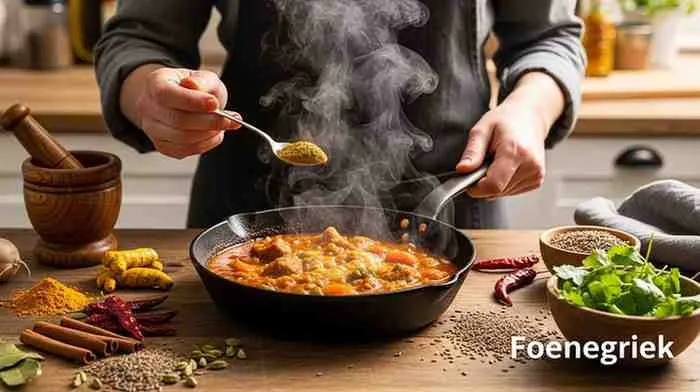
Introduction: The Golden Spice with Maple-Sweet Secrets
Have you ever wondered why certain curry dishes have that distinctive, slightly sweet, maple-like aroma? The answer often lies in a small, amber-colored seed known as foenegriek, or as it’s called in English-speaking countries, fenugreek. This ancient culinary herb and spice has been treasured for thousands of years, bridging the gap between kitchen staples and traditional medicine cabinets across continents.
Foenegriek (scientific name: Trigonella foenum-graecum) is far more than just another spice on your shelf. This versatile fenugreek herb has earned its place in cuisines ranging from Indian curries to Middle Eastern stews, while simultaneously serving as a valued ingredient in traditional medicine practices. Whether you’re a home cook looking to expand your spice repertoire, a health-conscious individual exploring natural supplements, or simply curious about this golden treasure, this comprehensive guide will reveal everything you need to know about foenegriek.
In this article, we’ll explore the botanical origins of this remarkable fenugreek plant, dive deep into its impressive nutritional profile, uncover its culinary applications, and examine both traditional and modern uses. By the end, you’ll understand why foenegriek deserves a prominent place in your kitchen and wellness routine.
What is Foenegriek (Fenugreek)? Understanding the Botanical Background
The Fenugreek Plant and Its Origins
Foenegriek comes from Trigonella foenum-graecum, an annual plant belonging to the Fabaceae family (the same family as peas and beans). The name “foenum-graecum” literally translates to “Greek hay,” reflecting its historical use as both animal fodder and human food in ancient Mediterranean civilizations.
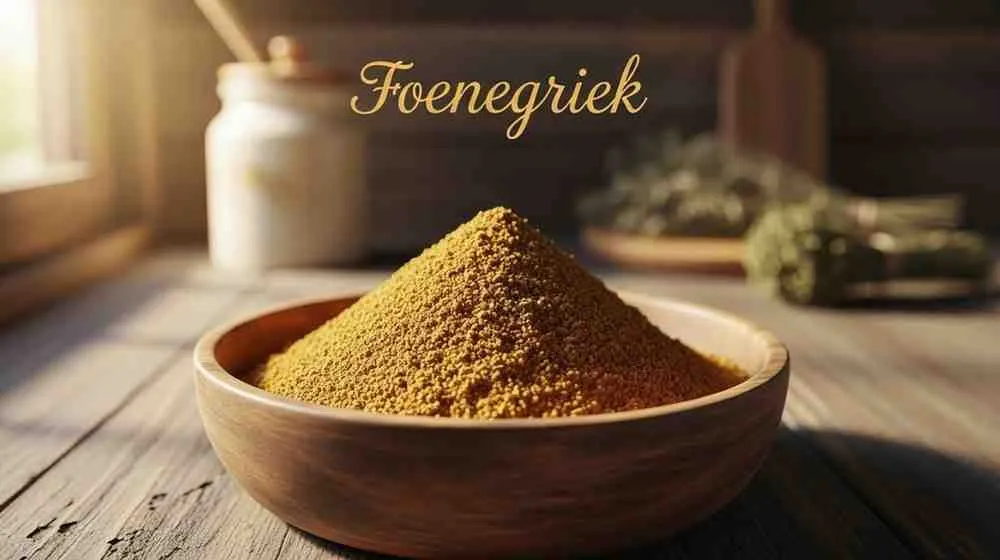
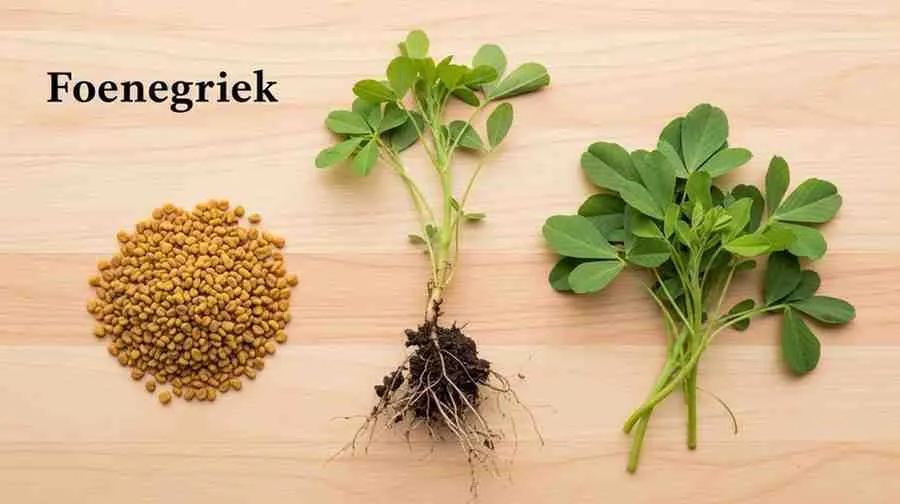
This fenugreek plant typically grows to about 2-3 feet tall, producing small white flowers that eventually develop into long, slender pods. Each pod contains 10-20 small, hard, golden-brown fenugreek seeds that pack an impressive concentration of flavor and nutrients. The plant thrives in various climates but is particularly abundant in India, the Mediterranean region, North Africa, and parts of Western Asia.
Forms of Foenegriek: Seeds, Powder, and Leaves
Foenegriek is available in several forms, each offering unique culinary applications:
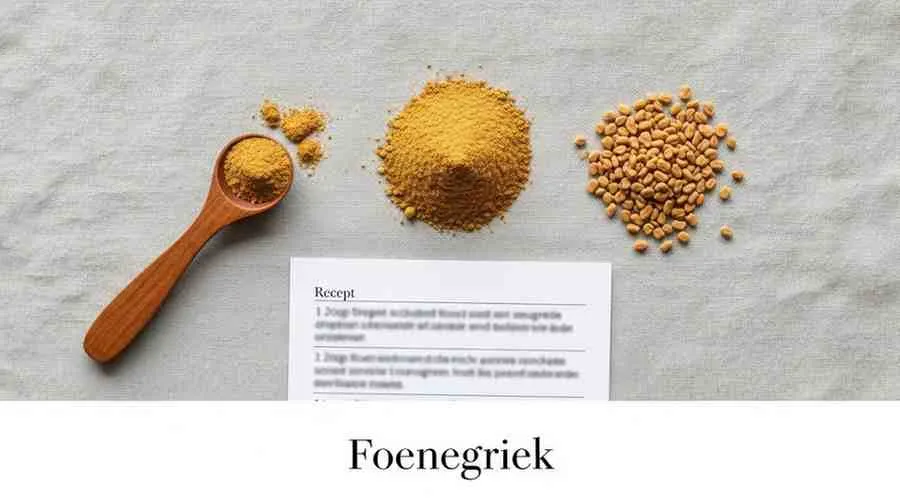
Fenugreek Seeds (Whole): These are the most common form, offering the longest shelf life and most intense flavor. The seeds are incredibly hard and slightly bitter when raw, but develop a complex, nutty sweetness when toasted or cooked.
Foenegriek Gemalen (Ground Fenugreek): This fenugreek powder is created by grinding the seeds into a fine, yellow-brown powder. Ground fenugreek is more convenient for cooking and releases its flavors more quickly than whole seeds. It’s the form most commonly found in pre-made curry powders and spice blends.
Fenugreek Leaves: Fresh fenugreek leaves (called “methi” in Indian cuisine) and dried leaves (kasuri methi) offer a different flavor profile—more herbaceous and less intense than the seeds. These are popular in Indian cooking for adding aromatic depth to dishes.
The Distinctive Maple Syrup Aroma Compound
One of the most fascinating characteristics of foenegriek is its distinctive aroma. The seeds contain a compound called sotolone, the same aromatic compound responsible for the smell of maple syrup, caramel, and even aged wines. This maple syrup aroma compound intensifies when the seeds are heated, which is why many Indian restaurants have that unmistakable sweet, warm scent.
This unique characteristic makes fenugreek spice not just a flavoring agent but also an aromatic experience that can transform entire dishes. Some artificial maple syrup flavorings even use fenugreek extract as a key ingredient.
Nutritional Profile: Why Foenegriek is a Nutritional Powerhouse
Detailed Fenugreek Nutrition Facts
Foenegriek is remarkably nutrient-dense, offering an impressive array of vitamins, minerals, and beneficial compounds. Here’s what you’ll find in 100 grams of fenugreek seeds:
Macronutrients:
- Calories: 323 kcal
- Protein: 23 grams (making it an excellent fenugreek protein source)
- Carbohydrates: 58 grams
- Dietary Fiber: 25 grams (exceptional fenugreek dietary fiber content)
- Fat: 6.4 grams
- Water: 8.8 grams
Vitamins:
- Vitamin C: 3 mg
- Thiamin (B1): 0.32 mg
- Riboflavin (B2): 0.37 mg
- Niacin (B3): 1.6 mg
- Vitamin B6: 0.6 mg
- Folate: 57 mcg
- Vitamin A: 60 IU
Minerals:
- Iron: 33.5 mg (an excellent source, providing nearly 200% of daily needs)
- Calcium: 176 mg
- Magnesium: 191 mg
- Phosphorus: 296 mg
- Potassium: 770 mg
- Sodium: 67 mg
- Zinc: 2.5 mg
Key Nutritional Highlights
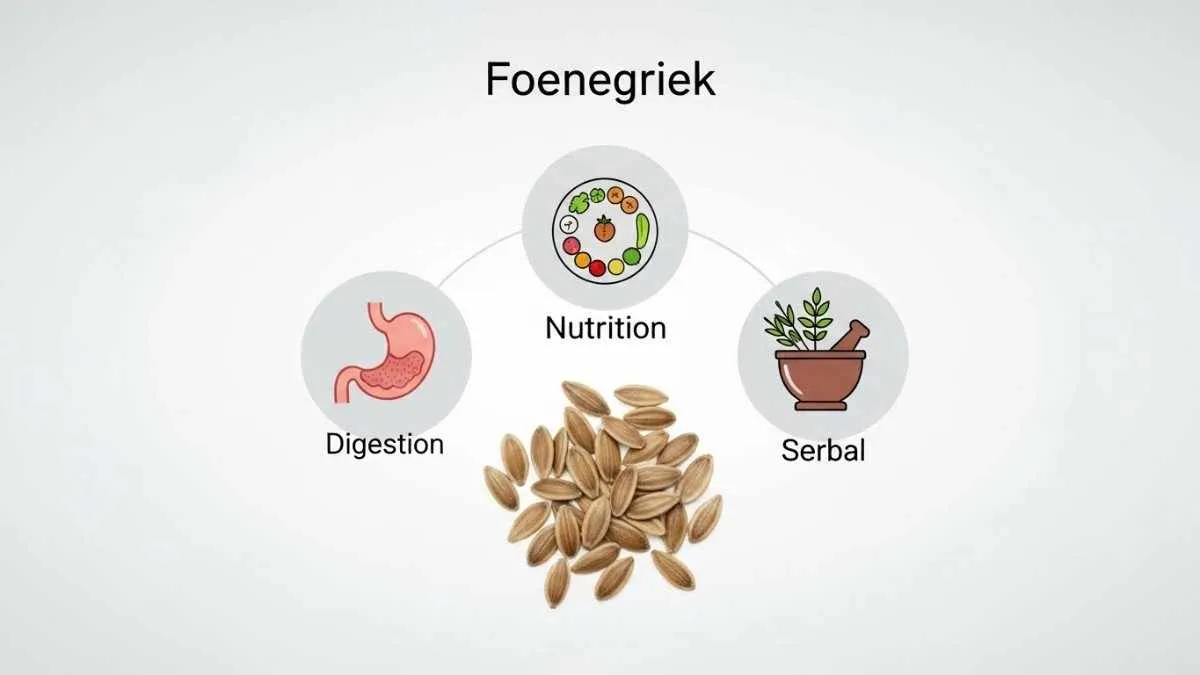
The high fenugreek dietary fiber content (25 grams per 100 grams) is particularly noteworthy, as it contributes to digestive health, blood sugar regulation, and cholesterol management. This makes foenegriek an excellent addition to a balanced diet.
The impressive fenugreek protein source profile (23% protein by weight) makes these seeds valuable for vegetarians and vegans seeking plant-based protein options. Combined with the high iron content, foenegriek can help address common nutritional concerns in plant-based diets.
Health Benefits of Foenegriek: Traditional Medicine Meets Modern Science
Traditional Medicine Herb Applications
As a traditional medicine herb, foenegriek has been used for millennia across various healing systems:
Ayurvedic Medicine: In Indian Ayurveda, fenugreek has been prescribed for digestive issues, inflammation, and to support lactation in nursing mothers. It’s considered a warming spice that balances certain body constitutions.
Traditional Chinese Medicine: Fenugreek seeds have been used to address kidney-related issues and to warm the body’s internal systems.
Middle Eastern and Mediterranean Traditions: Historical texts from these regions document fenugreek’s use for respiratory conditions, digestive complaints, and as a general tonic.
Modern Fenugreek Health Benefits
Contemporary research has begun validating many traditional uses while uncovering new potential benefits:
Blood Sugar Regulation: Multiple studies suggest that fenugreek may help improve insulin sensitivity and reduce blood sugar levels, making it of interest for people managing diabetes or prediabetes. The soluble fiber content appears to slow carbohydrate absorption.
Cholesterol Management: The fiber and saponin compounds in foenegriek may help reduce LDL (bad) cholesterol levels while maintaining or improving HDL (good) cholesterol.
Digestive Health: The high fiber content supports regular bowel movements and gut health. Traditional uses for digestive complaints appear to have merit based on the seed’s composition.
Anti-Inflammatory Properties: Fenugreek contains compounds with anti-inflammatory effects, which may benefit conditions involving chronic inflammation.
Lactation Support: One of the most well-documented traditional uses, fenugreek is commonly recommended to nursing mothers to support milk production, though individual responses vary.
Testosterone Support: Some research suggests fenugreek supplements may help maintain healthy testosterone levels in men, though more research is needed.
Important Considerations and Possible Side Effects
While foenegriek offers many potential benefits, it’s important to note some considerations:
- Pregnancy: Due to its traditional use in stimulating contractions, pregnant women should avoid fenugreek supplements (culinary amounts in food are generally considered safe).
- Blood Sugar Interactions: Those taking diabetes medications should monitor blood sugar carefully, as fenugreek may enhance these effects.
- Allergies: People with peanut or chickpea allergies may also react to fenugreek.
- Digestive Upset: High doses may cause gas, bloating, or diarrhea.
- Maple Syrup Odor: Some people notice their sweat or urine takes on a maple syrup-like smell when consuming fenugreek.
Always consult healthcare providers before using foenegriek as a herbal supplement, especially if you have existing health conditions or take medications.
Culinary Uses: How to Cook with Foenegriek Gemalen, Seeds, and Leaves
Fenugreek in Indian Cuisine
The most prominent use of fenugreek in Indian cuisine spans countless dishes and preparations:
Curry Powders and Masalas: Foenegriek gemalen is a foundational ingredient in many curry powder blends and garam masala. It provides depth, slight bitterness, and that characteristic curry aroma.
Pickles and Chutneys: Whole fenugreek seeds are essential in Indian pickles (achar), where they contribute both flavor and act as a preservative.
Breads and Flatbreads: Ground fenugreek is sometimes incorporated into dough for parathas and other flatbreads, adding nutrition and flavor.
Vegetable Dishes: Fresh fenugreek leaves (methi) are cooked with potatoes, spinach, or other vegetables to create aromatic side dishes.
Dal and Lentil Preparations: A pinch of fenugreek seeds tempered in oil can elevate simple dal to restaurant quality.
Fenugreek Spice Uses in Other Cuisines
Middle Eastern Cooking: Fenugreek appears in spice blends like Yemeni hilbeh (a fenugreek paste), Ethiopian berbere, and various meat seasonings. It complements lamb particularly well.
North African Dishes: Moroccan and Tunisian cuisines use fenugreek in tagines, couscous dishes, and spice rubs.
European Applications: Though less common, some European breads and cheeses incorporate fenugreek. In medieval times, it was more widely used throughout Europe.
How to Use Foenegriek Gemalen in Cooking
Working with ground fenugreek requires some technique to achieve the best results:
- Start Small: Ground fenugreek has an intense flavor. Begin with 1/4 to 1/2 teaspoon for a recipe serving 4-6 people, adjusting to taste.
- Toast for Sweetness: Dry-roasting foenegriek gemalen in a pan for 30-60 seconds mellows bitterness and enhances the sweet, nutty notes. Watch carefully to avoid burning, which creates unpleasant bitterness.
- Bloom in Oil: Adding ground fenugreek to hot oil or ghee before other ingredients allows the flavors to bloom and distribute throughout the dish.
- Balance with Other Spices: Fenugreek pairs beautifully with cumin, coriander, turmeric, and chili peppers. It also complements sweet elements like tomatoes, coconut, and cream.
- Adjust Cooking Time: Unlike some spices that can cook for hours, fenugreek can become overly bitter with excessive cooking. Add it in the last 15-20 minutes of long-cooked dishes.
Fenugreek Seeds vs Fenugreek Powder
Understanding when to use whole fenugreek seeds versus ground fenugreek powder will elevate your cooking:
Use Whole Seeds When:
- Making pickles or preserves
- Creating spice-infused oils
- You want a more subtle, slow-release flavor
- Tempering dal or curries (whole seeds popped in hot oil)
Use Ground Fenugreek When:
- Making curry powders or dry rubs
- You need quick flavor integration
- Creating smooth sauces or marinades
- Baking or incorporating into doughs
Practical Tips: Storage, Preparation, and Usage
Proper Storage for Maximum Freshness
Whole Fenugreek Seeds: Store in an airtight container in a cool, dark place. Properly stored, they can maintain quality for 2-3 years.
Foenegriek Gemalen: Ground fenugreek loses potency more quickly. Store in an airtight container away from light and heat, and use within 6-12 months for best flavor.
Fresh Leaves: Use within 2-3 days when stored in the refrigerator, or freeze for longer storage.
Preparing Fenugreek Seeds at Home
To grind your own fenugreek powder:
- Lightly toast whole seeds in a dry pan until fragrant (1-2 minutes)
- Allow to cool completely
- Grind in a spice grinder or mortar and pestle
- Sift to remove any coarse pieces
- Store in an airtight container
This method produces fresher, more aromatic foenegriek gemalen than pre-ground versions.
Dosage Guidelines
Culinary Use: 1/4 to 1 teaspoon of ground fenugreek per recipe serving 4-6 people
Herbal Supplement: If using fenugreek as a supplement, typical doses range from 500mg to 2 grams daily, but always follow product instructions or healthcare provider recommendations.
Common Recipes and Spice Blends Featuring Foenegriek
Popular Dishes Showcasing Fenugreek
Butter Chicken (Murgh Makhani): This iconic Indian dish often includes a touch of foenegriek gemalen in its complex spice blend, contributing to the sauce’s distinctive flavor.
Aloo Methi (Potato and Fenugreek Leaves): A simple yet delicious North Indian dish combining potatoes with fresh fenugreek leaves.
Ethiopian Berbere Spice: This complex spice blend includes fenugreek along with chili peppers, ginger, and other aromatics, used in stews like doro wat.
Homemade Curry Powder: A basic blend might include: 2 tablespoons coriander seeds, 1 tablespoon cumin seeds, 1 teaspoon fenugreek seeds, 1 teaspoon black peppercorns, 1 teaspoon mustard seeds, 1/2 teaspoon turmeric, and 1/4 teaspoon cayenne pepper (all ground together).
Traditional Spice Blends
Fenugreek appears in numerous traditional spice combinations:
- Panch Phoron (Bengali Five-Spice): Equal parts fenugreek, nigella, cumin, black mustard, and fennel seeds
- Sambar Powder: South Indian blend featuring fenugreek along with dried chilies, coriander, and dal
- Ras el Hanout: North African blend that may include fenugreek among 20+ spices
Frequently Asked Questions About Foenegriek
What is foenegriek (fenugreek)?
Foenegriek is the Dutch name for fenugreek, a herb and spice derived from the seeds of Trigonella foenum-graecum. It’s used both as a culinary ingredient and in traditional medicine.
Is foenegriek the same as fenugreek?
Yes, foenegriek is simply the Dutch word for fenugreek. They refer to the exact same plant and spice.
Can foenegriek be used as a herbal supplement?
Yes, fenugreek is available as a dietary supplement in capsule, powder, and extract forms. It’s commonly used to support blood sugar management, lactation, and digestive health. Always consult a healthcare provider before starting any supplement regimen.
What are the main health benefits of foenegriek?
Potential benefits include supporting healthy blood sugar levels, promoting digestive health due to high fiber content, possibly aiding lactation, providing anti-inflammatory effects, and contributing to cholesterol management.
Are there side effects of consuming foenegriek?
Possible side effects include digestive upset (gas, bloating), maple syrup-like body odor, potential blood sugar changes, and allergic reactions in sensitive individuals. Pregnant women should avoid fenugreek supplements.
What is the difference between fenugreek seeds and powder?
Whole fenugreek seeds are harder, last longer in storage, and release flavor slowly during cooking. Ground fenugreek powder (foenegriek gemalen) has a faster flavor release and is easier to incorporate into spice blends and smooth preparations.
How should I store foenegriek?
Store whole seeds in an airtight container in a cool, dark place for up to 2-3 years. Ground fenugreek should be used within 6-12 months and also stored in an airtight container away from heat and light.
Conclusion: Embracing the Golden Treasure of Foenegriek
Foenegriek stands as a testament to how a single ingredient can bridge culinary traditions, nutritional science, and traditional healing practices. From its distinctive maple-like aroma to its impressive nutrient profile, this humble seed offers far more than meets the eye. Whether you’re incorporating foenegriek gemalen into your favorite curry, exploring its potential health benefits as a traditional medicine herb, or simply appreciating its role in creating authentic flavors from around the world, fenugreek deserves recognition as both a culinary treasure and a nutritional powerhouse.
As we’ve explored throughout this comprehensive guide, the versatility of fenugreek seeds, powder, and leaves makes them accessible to cooks of all levels. The key is understanding how to use this potent spice—starting with small amounts, properly storing your supply, and learning which form works best for your specific applications.
The growing body of research supporting fenugreek’s traditional uses adds credibility to what cultures worldwide have known for centuries: this golden seed offers genuine value for health-conscious individuals seeking natural approaches to wellness. However, as with any herbal supplement, informed and responsible use is essential.
Take Your Culinary Journey Further
Ready to experience the magic of foenegriek in your own kitchen? Start by adding a small jar of high-quality fenugreek seeds or ground fenugreek to your spice collection. Experiment with the recipes and techniques shared in this guide, and don’t be afraid to adjust amounts to suit your taste preferences.
We’d love to hear from you! Share your favorite fenugreek recipes in the comments below, or tell us how you’ve incorporated this versatile spice into your cooking or wellness routine. Have questions we didn’t cover? Drop them in the comments, and our community will help you find answers.
Don’t miss out on more spice guides, nutrition insights, and culinary tips—subscribe to our newsletter to receive expert advice delivered straight to your inbox every week.