



Introduction
Most people in Tampa are used to the heat. But a growing number of locals are voluntarily stepping into ice-cold water right after sitting in a scorching sauna — and they are doing it on purpose. Not as a dare. As a recovery strategy.
Sauna and cold plunge therapy has exploded in popularity across the United States, and Tampa is no exception. What was once a niche practice among elite athletes and biohackers has moved into mainstream wellness culture in a big way. Recovery studios, breathwork sessions, and contrast therapy lounges are now popping up across the city, drawing in everyone from marathon runners to office workers looking for a better way to manage stress.
If you have been curious about sauna cold plunge in Tampa — what it involves, what it actually does for your body and mind, and how to start safely — this guide covers everything you need to know.
What Is Contrast Therapy?
Contrast therapy is the practice of alternating between hot and cold environments — typically a sauna and a cold plunge — to stimulate specific physiological responses in the body. The concept is rooted in a simple idea: exposing your body to controlled thermal stress triggers powerful adaptive responses that support recovery, circulation, and nervous system regulation.
The basic protocol involves time in a heated environment (a traditional or infrared sauna, for example), followed by a short immersion in cold water, followed by a rest period. This cycle is repeated two to three times in a single session. The contrast between heat and cold is what drives the therapeutic effect — neither alone produces quite the same response as the two combined in sequence.
Contrast therapy is not a new idea. Nordic cultures have practiced some version of sauna-to-cold-water immersion for centuries. Finnish sauna culture, Russian banya traditions, and Japanese hot and cold bath rituals all reflect a long-standing human intuition that alternating heat and cold feels profoundly restorative. Modern sports science has begun to explain why.
How Sauna and Cold Plunge Therapy Works
The Science of Heat Exposure
When you sit in a sauna, your core body temperature rises and your heart rate increases — similar in cardiovascular terms to moderate aerobic exercise. Blood vessels near the skin dilate to release heat. Sweat glands activate. The body works hard to maintain safe core temperature.
This heat stress triggers a cascade of responses. Heat shock proteins are produced, which help repair damaged proteins in cells. Growth hormone levels spike. Blood flow increases dramatically to the muscles and skin.
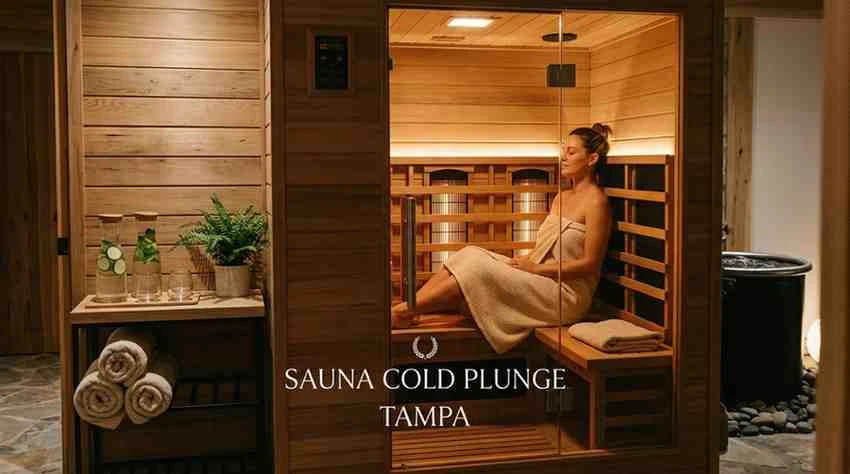
Infrared sauna therapy, specifically, uses infrared light to heat the body directly rather than heating the surrounding air. This allows for deeper tissue penetration at lower ambient temperatures, which many users find more comfortable and easier to tolerate for extended sessions.
The Science of Cold Exposure
Entering a cold plunge after the sauna sends an equally powerful signal in the opposite direction. Blood vessels that dilated in the heat constrict rapidly, pushing blood back toward the core. The sympathetic nervous system activates — this is the classic fight-or-flight response, though in a controlled setting.
Norepinephrine, a neurotransmitter closely linked to focus, mood, and energy, surges dramatically during cold immersion. Research from Dr. Andrew Huberman and others has shown that even a few minutes of cold water immersion can produce norepinephrine increases of 200 to 300 percent above baseline. Dopamine — the neurotransmitter associated with motivation and reward — also rises significantly and remains elevated for hours after cold exposure ends.
Cold plunge therapy also reduces inflammatory markers, constricts blood flow to reduce localized swelling, and activates brown adipose tissue, which generates heat by burning calories. The combination of these effects is why athletes have used ice bath recovery for decades.
Why the Combination Is More Powerful
The alternating cycle of heat and cold creates what researchers sometimes describe as a cardiovascular workout without the mechanical stress of exercise. Blood vessels repeatedly dilating and constricting essentially exercise the vascular system. This improves circulation, lowers resting blood pressure over time, and enhances the body’s ability to regulate temperature — a marker of overall physiological adaptability.
The contrast also creates a profound nervous system effect. The shift from the parasympathetic activation of relaxed sauna heat to the sympathetic activation of cold immersion, and back again, trains the nervous system’s ability to shift between states — a capacity linked to better stress resilience and emotional regulation in daily life.
Physical Recovery Benefits
Muscle Recovery and Inflammation Reduction
Post-workout recovery is where most people first encounter sauna and cold plunge therapy. The combination addresses two distinct recovery challenges simultaneously.
The sauna phase increases blood flow to fatigued muscles, delivering oxygen and nutrients while flushing metabolic waste products like lactic acid. The heat also relaxes muscle tissue, reducing the tightness and soreness that follows intense training.
The cold plunge phase constricts blood vessels and reduces the inflammatory response associated with exercise-induced muscle damage. Cold exposure therapy has been shown to reduce markers of muscle inflammation and accelerate the removal of waste products from muscle tissue, contributing to faster perceived recovery.
The result is that athletes who use contrast therapy consistently report less delayed onset muscle soreness (DOMS), faster readiness to train again, and better overall performance across training blocks.
Improved Circulation
Repeated cycles of vasodilation and vasoconstriction essentially train blood vessels to respond more efficiently. Over time, regular contrast therapy users often see improvements in resting circulation, reduced cold hands and feet, and better overall cardiovascular markers. For Tampa residents who experience high heat and humidity during outdoor activity, improved circulatory efficiency has practical everyday benefits.
Sleep Quality
One of the most consistently reported benefits of regular sauna use is improved sleep quality. The post-sauna cooling period, when core body temperature drops, mimics the natural temperature drop the body uses to initiate deep sleep. Regular sauna users often report falling asleep faster and achieving deeper, more restorative sleep cycles. When combined with the dopamine and mood-stabilizing effects of cold plunge, the combined protocol can meaningfully improve sleep recovery for people dealing with stress-related sleep disruption.
Mental and Emotional Wellness Benefits
Stress Relief and Nervous System Regulation
Modern stress is largely chronic and low-grade — it does not switch off the way acute physical stress does. Contrast therapy provides a structured intervention that actively shifts the nervous system out of chronic low-level stress states.
The sauna creates a parasympathetic environment — deeply relaxing, with reduced heart rate and muscle tension. The cold plunge activates the sympathetic system in a controlled burst. And the recovery period after the cycle allows the system to settle into a profoundly calm state that many practitioners describe as one of the most relaxed they feel in their daily lives.
This deliberate oscillation between arousal and calm, practiced regularly, improves the nervous system’s overall flexibility — its ability to activate when needed and recover quickly afterward. This is directly relevant to managing the anxiety, mental fatigue, and emotional reactivity that chronic stress produces.
Dopamine and Mood Benefits
The sustained dopamine elevation following cold exposure has significant implications for mood and mental resilience. Unlike caffeine or other stimulants, the dopamine response from cold plunge does not produce a crash. Users commonly report sustained improved mood, better focus, and increased motivation that persists for several hours after a session.
For people managing mild depression, anxiety, or emotional exhaustion, the regular practice of contrast therapy — particularly the cold exposure component — has emerged as a meaningful complementary tool. This is an area of active research, with early results supporting what many long-term practitioners have reported from direct experience.
Breathwork and Mindfulness Integration
Many Tampa recovery studios that offer sauna and cold plunge therapy also incorporate guided breathwork sessions into their programming. This integration makes practical sense. Controlled breathing techniques — such as those used in the Wim Hof method or box breathing protocols — help practitioners manage the initial shock of cold immersion, extend tolerance, and deepen the nervous system benefits of the contrast experience.
Breathwork also cultivates a mindful, present-moment awareness that extends beyond the session itself. Practitioners who combine breathwork with contrast therapy often report that the combination accelerates the mental resilience benefits, creating a training effect for emotional self-regulation that carries into everyday stress situations.
The Tampa Wellness Scene
Why Sauna and Cold Plunge Is Growing in Tampa
Tampa’s wellness community has grown significantly over the past several years, driven by a combination of factors: a younger, health-conscious population, a strong athletic community drawn by the city’s sports culture and year-round outdoor lifestyle, and a growing awareness of recovery as a performance category rather than simply the absence of training.
The heat and humidity of Tampa’s climate also creates a specific recovery demand. Outdoor athletes — runners, cyclists, paddlers, and strength athletes who train in Florida heat — face elevated physiological stress from training in high-temperature conditions. Contrast therapy, counterintuitively, has become a popular recovery tool for heat-stressed athletes, particularly the cold plunge component, which accelerates core temperature reduction and nervous system recovery after intense outdoor sessions.
Recovery Wellness Studios and Community Experience
A meaningful aspect of the contrast therapy experience that does not show up in the science papers is the social and community dimension. Recovery studios that offer group sauna sessions, guided breathwork, and cold plunge circuits create a shared experience that many participants describe as one of the most genuine community wellness settings they have encountered.
There is something about collectively sitting in heat, then stepping into cold water together, that creates connection. It levels the playing field between elite athletes and beginners. The shared challenge generates a sense of camaraderie that solitary gym training rarely produces.
Tampa’s growing network of wellness studios reflects this community-focused approach to recovery. Many studios offer membership models that make regular contrast therapy accessible without per-session costs that would otherwise limit frequency.
Beginner’s Guide to Starting Safely
Cold Plunge Temperatures
Cold plunge temperatures are typically maintained between 50°F and 59°F (10°C to 15°C). This range is cold enough to produce the desired physiological responses without creating dangerous levels of cold shock for healthy individuals.
Beginners should start at the higher end of that range — around 55°F to 59°F — and work toward colder temperatures gradually as tolerance develops. The goal is controlled discomfort, not suffering. The therapeutic benefit does not require the coldest possible temperature, particularly for newcomers.
How Long to Stay in a Cold Plunge
For beginners, one to two minutes of cold immersion per round is sufficient to trigger meaningful physiological responses. The instinct to exit immediately is strongest in the first 30 seconds — if you can move through that initial reaction using controlled breathing, the body adapts rapidly and the experience becomes more manageable.
Experienced practitioners often work up to three to five minutes per immersion round. Sessions of longer than five to ten minutes per round are generally not recommended and are not associated with meaningfully greater benefits than shorter durations.
Beginner Sauna Protocols
A standard beginner contrast therapy session might look like this:
- Round 1: 10 to 12 minutes in the sauna, 1 to 2 minutes in the cold plunge, 5 minutes rest
- Round 2: 12 to 15 minutes in the sauna, 1 to 2 minutes in the cold plunge, 5 minutes rest
- Round 3 (optional): 10 minutes in the sauna, 2 to 3 minutes in the cold plunge, full rest and rehydration
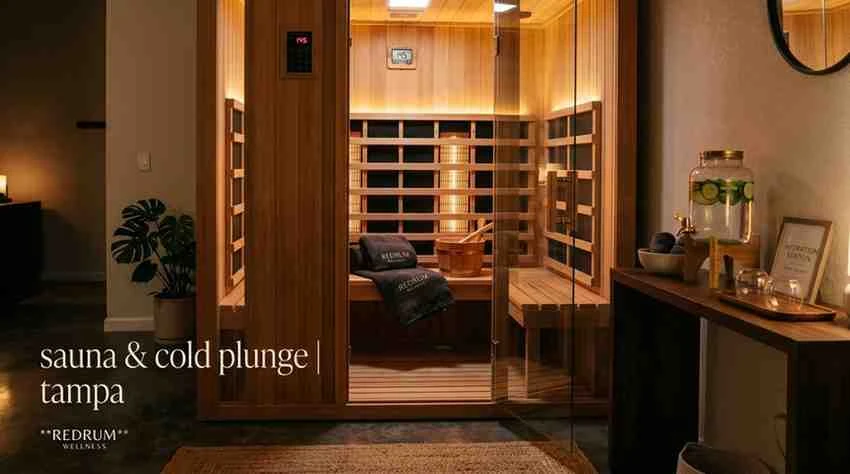
Sauna temperatures typically range from 160°F to 195°F for traditional Finnish saunas. Infrared saunas operate at lower ambient temperatures — typically 120°F to 150°F — while still generating deep tissue heat effects.
How Often Should You Do Contrast Therapy?
For general wellness and stress management, two to three sessions per week is a sustainable frequency for most healthy adults. Athletes in heavy training periods may benefit from daily post-workout cold plunge sessions, with full contrast therapy cycles two to three times per week.
Beginning with one session per week and building gradually over the first month is a sensible approach for complete newcomers. Pay attention to how your body responds — improved sleep, reduced soreness, and better mood are positive indicators that the frequency is appropriate.
Advanced Topics
Biohacking and Performance Optimization
For performance-focused individuals, contrast therapy sits within a broader biohacking framework that includes sleep optimization, nutrition timing, heart rate variability training, and structured recovery periodization. The physiological responses produced by sauna and cold plunge — hormetic stress, norepinephrine elevation, growth hormone release, improved vascular function — align well with the mechanisms targeted by other biohacking practices.
Some practitioners use heart rate variability (HRV) tracking to assess nervous system recovery and calibrate contrast therapy frequency accordingly. HRV tends to improve with consistent contrast therapy over time, providing measurable evidence of the nervous system adaptation the practice produces.
Infrared Sauna Technology
Infrared sauna therapy uses far-infrared wavelengths to penetrate body tissue directly, generating internal heat at lower air temperatures than traditional saunas. This makes infrared saunas more accessible for people who find the high ambient temperature of traditional saunas difficult to tolerate, while still producing meaningful heat shock protein response, sweating, cardiovascular activation, and the relaxation effects associated with heat therapy.
Many Tampa wellness studios now offer both traditional and infrared sauna options, allowing practitioners to choose based on personal preference, health considerations, or the specific outcomes they are targeting.
Pros and Cons of Sauna and Cold Plunge Therapy
Benefits
- Accelerated muscle recovery and reduced post-workout soreness
- Significant improvements in mood, focus, and motivation through norepinephrine and dopamine elevation
- Better sleep quality through natural temperature regulation mechanisms
- Reduced markers of chronic inflammation over consistent practice
- Nervous system training that improves stress resilience in daily life
- Strong community and social wellness experience in studio settings
- Accessible to most healthy adults regardless of fitness level
Potential Risks and Precautions
- Cold shock response can be dangerous for individuals with cardiovascular conditions, high blood pressure, or heart disease — always consult a physician before beginning
- Prolonged cold immersion can lead to hypothermia in individuals who overstay sessions
- Heat exhaustion is possible with excessive sauna duration or inadequate hydration
- Pregnant women should avoid both extreme heat and extreme cold therapy
- People on certain medications — particularly cardiovascular medications and blood thinners — should seek medical clearance before starting
DIY vs Professional Wellness Studios
| Factor | DIY Home Setup | Professional Studio |
|---|---|---|
| Cost | High upfront (sauna + plunge tank) | Membership or per-session pricing |
| Safety | Self-monitored | Trained staff present |
| Community | Solo experience | Group sessions available |
| Guidance | Self-directed | Breathwork and protocol coaching |
| Flexibility | On your schedule | Studio hours apply |
| Equipment quality | Varies | Commercial-grade, maintained |
For beginners especially sauna cold plunge tampa, starting at a professional recovery studio is strongly recommended. Having trained staff present, access to properly maintained equipment, and the option of guided sessions creates a safer and more productive introduction to contrast therapy.
Real-Life Examples
The Marathon Runner
A Tampa-based marathon runner began incorporating contrast therapy three times per week during a high-mileage training block. Within three weeks, she reported significantly reduced leg soreness between long run days, improved sleep, and a noticeable improvement in her morning HRV scores. By the end of her training cycle, she felt she had recovered better from her highest mileage weeks than from comparable training blocks in previous years.
The Office Worker and Stress Recovery
A 38-year-old Tampa resident dealing with work-related burnout and sleep disruption began weekly sauna and cold plunge sessions at a local wellness studio on the recommendation of a friend. He reports that within six sessions, his sleep had measurably improved. After three months of twice-weekly sessions combined with breathwork, he describes his baseline anxiety as significantly lower than before he started. He attributes the shift not just to the physiological effects but to the dedicated recovery time and community atmosphere the studio provided.

The Cold Plunge Beginner
A first-time cold plunge participant arrived at a Tampa recovery studio expecting to last about 15 seconds. With coaching on controlled breathing techniques and the guidance to focus on the exhale, she completed a full 90-second cold immersion on her first attempt. She described the 20 minutes following the session as the calmest she had felt in months. She returned the following week.
FAQ: Sauna and Cold Plunge Therapy
What is contrast therapy? Contrast therapy is the practice of alternating between hot environments (typically a sauna) and cold environments (typically a cold plunge) in repeated cycles. The alternation produces physiological responses that support recovery, circulation, mood, and nervous system regulation.
What are the benefits of cold plunge therapy? Cold plunge therapy reduces muscle inflammation, triggers norepinephrine and dopamine release that boosts mood and focus, improves circulation through vascular training, activates metabolic brown fat, and supports nervous system regulation and stress resilience.
How does sauna and cold plunge therapy work? Heat from the sauna dilates blood vessels, activates heat shock proteins, and relaxes muscle tissue. Cold immersion then constricts blood vessels, reduces inflammation, and triggers sympathetic nervous system activation. The repeated cycling of these responses produces compounding benefits for cardiovascular, muscular, and neurological health.
Is cold plunge therapy safe? Cold plunge therapy is safe for most healthy adults when practiced with appropriate temperatures, reasonable session durations, and gradual progression. People with cardiovascular conditions, high blood pressure, heart disease, or who are pregnant should consult a physician before starting.
How long should you stay in a cold plunge? Beginners should aim for one to two minutes per round. Experienced practitioners typically stay three to five minutes. Longer than five to ten minutes per round is generally not recommended and not associated with meaningfully greater benefit.
What temperature should a cold plunge be? Cold plunge temperatures are typically maintained between 50°F and 59°F (10°C to 15°C). Beginners should start at the higher end of this range and progress toward cooler temperatures gradually as tolerance develops.
Can sauna and cold plunge improve recovery? Yes. The combination has strong supporting evidence for accelerating muscle recovery, reducing delayed onset muscle soreness, improving circulation, and supporting overall physiological readiness for subsequent training or physical activity.
Does cold plunge help inflammation? Yes. Cold exposure constricts blood vessels, reduces blood flow to inflamed tissue, and reduces inflammatory marker levels in the blood. This makes it effective for both acute post-exercise inflammation and as a tool for managing chronic low-grade inflammatory states.
Can sauna therapy improve sleep quality? Yes. Regular sauna use is associated with improved sleep onset and sleep depth. The post-sauna temperature drop mimics the body’s natural sleep-initiation mechanism, and the dopamine and mood stabilization effects of contrast therapy further support healthy sleep patterns.
External Resources
- Andrew Huberman Lab — Cold Exposure Science — hubermanlab.com — detailed protocols and research on cold water immersion and norepinephrine
- Finnish Institute of Health and Welfare — Sauna Research — authoritative resource on sauna health effects and safety guidelines
- PubMed: Contrast Water Therapy Meta-Analysis — peer-reviewed research on contrast therapy outcomes in athletic populations
- Wim Hof Method — Breathwork and Cold Exposure Protocols — wimhofmethod.com — structured breathing techniques for cold plunge preparation
Conclusion
Sauna cold plunge tampa therapy is not a wellness trend that peaked and faded. It is a practice with deep roots, growing scientific support, and a genuinely transformative effect on the people who commit to it consistently. For Tampa residents looking for a more effective, community-connected, and scientifically grounded approach to recovery and stress management, contrast therapy offers something most conventional wellness practices cannot — a complete reset for both body and mind in under an hour.
Whether you are a competitive athlete chasing faster recovery between training sessions, a professional dealing with the accumulated weight of chronic stress, or simply someone who has never felt fully rested and recovered despite doing everything else right, the sauna and cold plunge experience is worth exploring.
Start at a reputable Tampa wellness studio where trained staff can guide your first sessions safely. Begin with one session per week. Use controlled breathing to move through the initial cold shock. Pay attention to how you feel in the hours and days that follow. Most people who give it a genuine three-session trial come back.
Your body was built to adapt. Give it the right stimulus — and then give it time to respond.